Quick Book Update
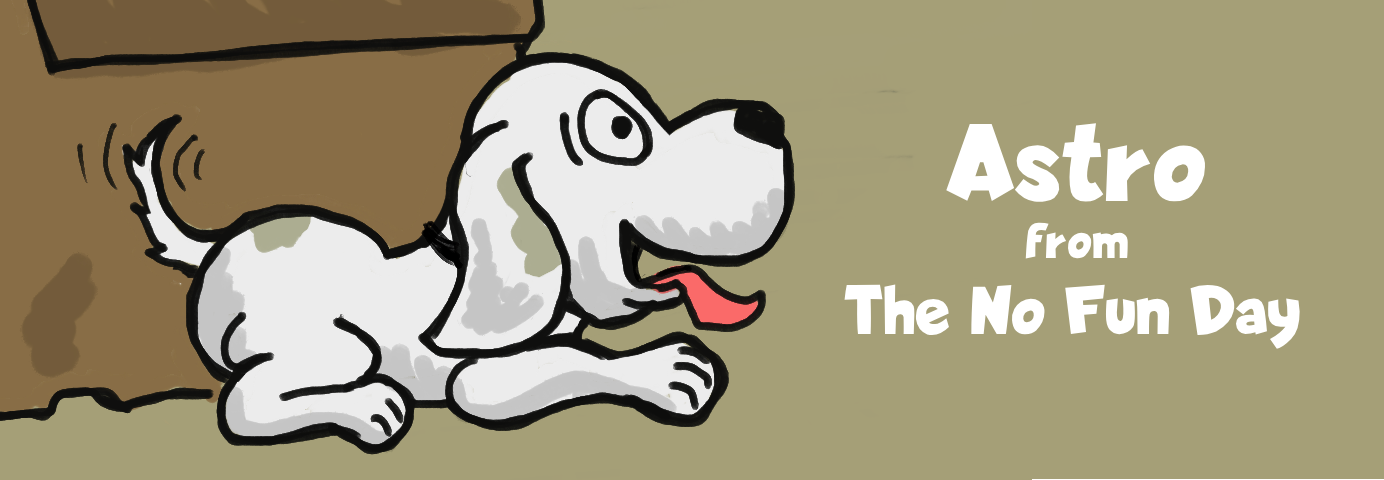
My new book The No Fun Day is finished, but I still have not seen the finished product. I’m currently waiting on proofs from two online printers to see which looks best. Hopefully, at least one of them will be perfect, and I’ll be ready to launch the book. But if neither looks good, or if I find new errors in my writing, I’ll do a revision and go through the process again, possibly with the same printers, or I might be shopping around for another company. Having a book with full-color illustrations like this one, plus using a real printer instead of Amazon, is all very new to me. So, there are still lots of unknowns. But I am confident I’ll figure it all out very soon.
Lessons I’ve Learned
During this waiting period that feels like an eternity, I’ve had time to reflect on all that I’ve accomplished since I started writing the book seven months ago. For those of you who are new to my Substack, this is my first book for small children. Everything I’ve written before was for middle-graders or teenagers. The No Fun Day falls into the category of a picture book, even though it still has a text-based story. I’ve written it with the image in my mind of a small child, 3 to 5 years old, studying my illustrations intensely while an adult reads the words on the page to them.

As I’ve walked (and sometimes crawled) through the process of creating this book, I’ve learned so many things about what makes a book like this work. Of course, I’m still learning. And I want to be clear that I in no way consider myself to be an expert on the topic. But I’ve gained some valuable lessons that others might find useful and interesting. In this newsletter, I’ll point out some of my big takeaways in the category of writing the book. In my next newsletter, I’ll talk about the illustration process.
- Writing a children’s book is faster than writing a novel. . . . That is a true statement, but even though I’m using far fewer words, the quality of each word becomes exponentially more important when writing for kids. I’ll talk more about that in the next point, but for now, I want to point out that the faster turnaround time when writing children’s books is huge for me. As I mentioned above, it has taken me only seven months to write AND illustrate The No Fun Day. That’s about a third of the time it took me to write each of my young adult novels. Part of the joy of writing for me has always been finishing a book and then moving on to a new creative challenge. Staying on one story for a year and a half or more often felt like I was stuck in quicksand for much of that time. Finishing a project in six months makes me feel much freer as a creative person.
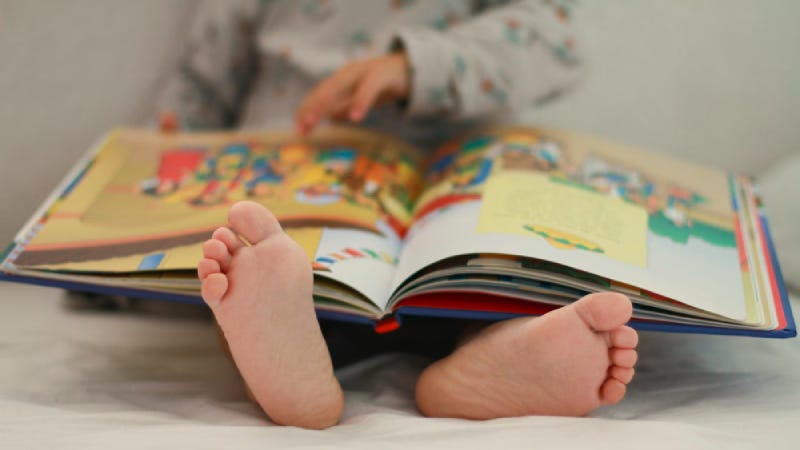
- Cute, Clever Wording is King. . . . I’ve had to shift my writing style away from the longform techniques of writing, which favor active sentences woven together into exciting paragraphs that keep the reader engulfed in the overall flow of a chapter. Instead, I’m learning to use as few words as possible to make my point. And my choice of words should always favor cute, easy-to-understand words. Saying things in patterns, using clever repetition, is another trick I’ve learned. I think it’s accurate to say the text in a children’s picture book should sound almost like a non-rhyming poem, although rhyming is nice too.
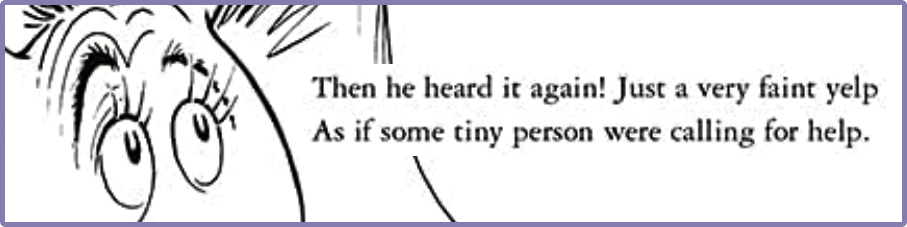
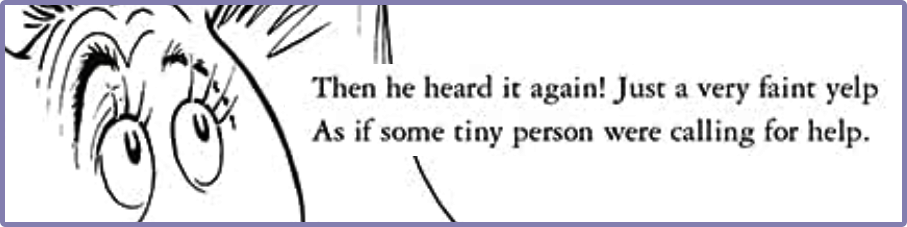
- Fewer Words on Each Page. . . . Last month I attended the Realm Makers conference and had the wonderful opportunity of showing The No Fun Day in its near-finished state to two agents who work for Children’s book publishers. They both seemed very impressed with the story and the overall look of the illustrations. But they also both had the same criticism for me. “You need to cut down on the number of words on each page.” They went on to explain that the attention span of kids these days is shrinking. If there are too many words on a page, the boys and girls will get fidgety and not want to finish the book. That will cause the parent to dislike the book too. I decided not to get offended by their advice but rather to take it to heart. I ended up cutting about a third of my words for the final version, and I can honestly say it’s a much better book today than it was before that conference.

- Write for the Child AND the Parent. . . . When Dr. Seuss writes a passage like this, “So call a big meeting. Get everyone out. Make every Who holler! Make every Who shout! Make every Who scream! If you don’t, every Who is going to end up in a Beezle-Nut stew!” the funny words and overly repetitious rhyming is just as fun for the parent to read as it is for the child to listen to.In The No Fun Day, there are several parts of the story that are reminiscent of classic tales of fiction that many adults will know. For instance, I have one page that starts out as follows: “The great flying ace, Teddy Tailspin, peered out into the wild blue yonder.” I wrote it that way to make it sound like an old-fashioned book about a famous aviator from 100 years ago or more. I don’t expect the child to make that connection, but I am hopeful the parent will catch on right away and be reminded of some of the stories they enjoyed when they were young. This is the kind of touch that should help the parent form their own attachment to the story. But the child is not left out of the fun. I wanted them to understand that it’s about a man with a colorful name who is an expert at flying an airplane. Even though kids don’t get the classic story reference, I still believe most of them are sharp enough to hear the emphasis in the sentence and catch on to the fun tone in the wording.Some say writing for this age group is more difficult because the story has to target two readers of vastly different age groups. Yes, that is a challenge for sure. But if the writer can achieve that and create superfans of the child AND the parent, then the bonds that will be created between the book and its readers will become doubly strong.
- Everyone Gets Excited When I Tell Them I’m Writing a Children’s Book. . . . One thing I learned over the past 13 years of writing novels for middle grade and teens is that very few people know what to say when I tell them about my books. Most comments are something like this: “Oh, that’s cool. I once knew a person who wrote a book … blah blah blah.” Basically, people don’t know what to say, so they change the subject. Now that I’m a children’s book author, I’ve been very encouraged about how much my family and friends are interested in what I’m doing. I’ve even gotten a couple of offers to help me with marketing and book editing.Conclusion – I still have a lot to learn. When the book starts to sell, or not sell, I’ll learn even more. Maybe I’ll do this again in a year, and maybe by then I’ll actually know what I’m talking about.In my next newsletter, I’ll talk about illustrating books for kids. Keep an eye out for that newsletter within the next 2 weeks. As always, I’m very grateful that you took the time to read my newsletter.